


Sacred Botanical Tales: Blue Lotus Across Cultures: Egypt, India & Sri Lanka
Blue Lotus Meaning & Rituals: History, Symbolism and Cultural Significance
What Does Blue Lotus Symbolize?
Blue Lotus has long symbolized:
- rebirth and renewal
- awareness and presence
- the transition between states (wakefulness and rest)
Unlike modern botanical trends, its significance was not built around appearance or performance—but around experience.
Ancient Egypt: The Origin of Blue Lotus Ritual

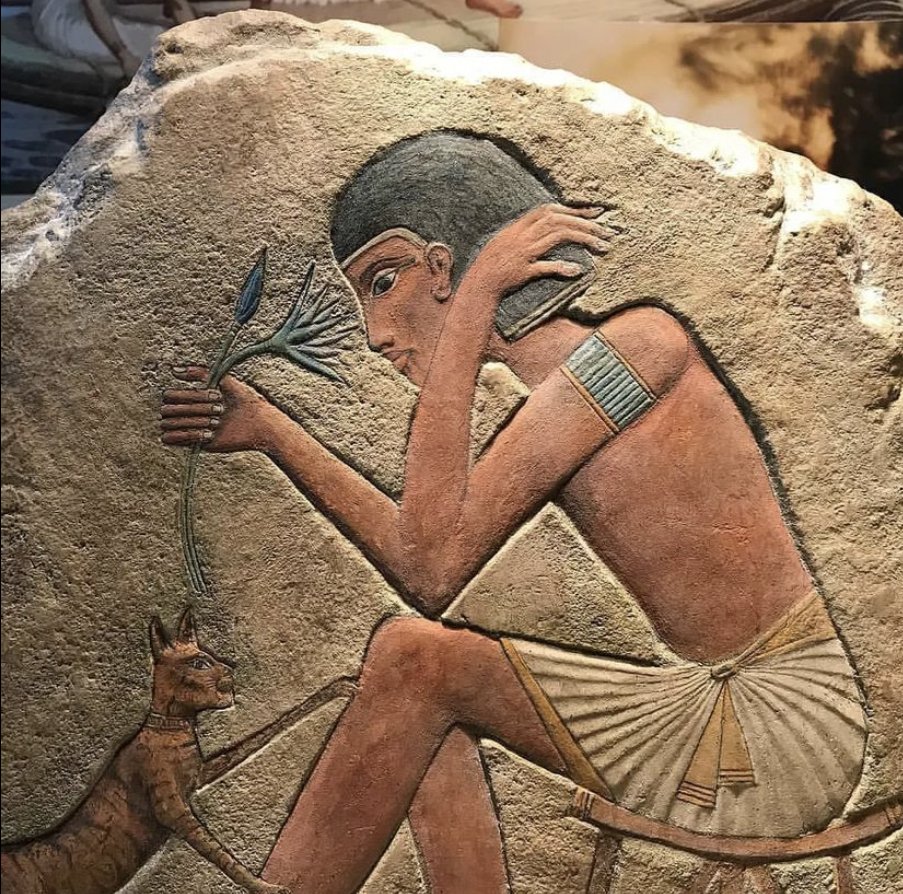
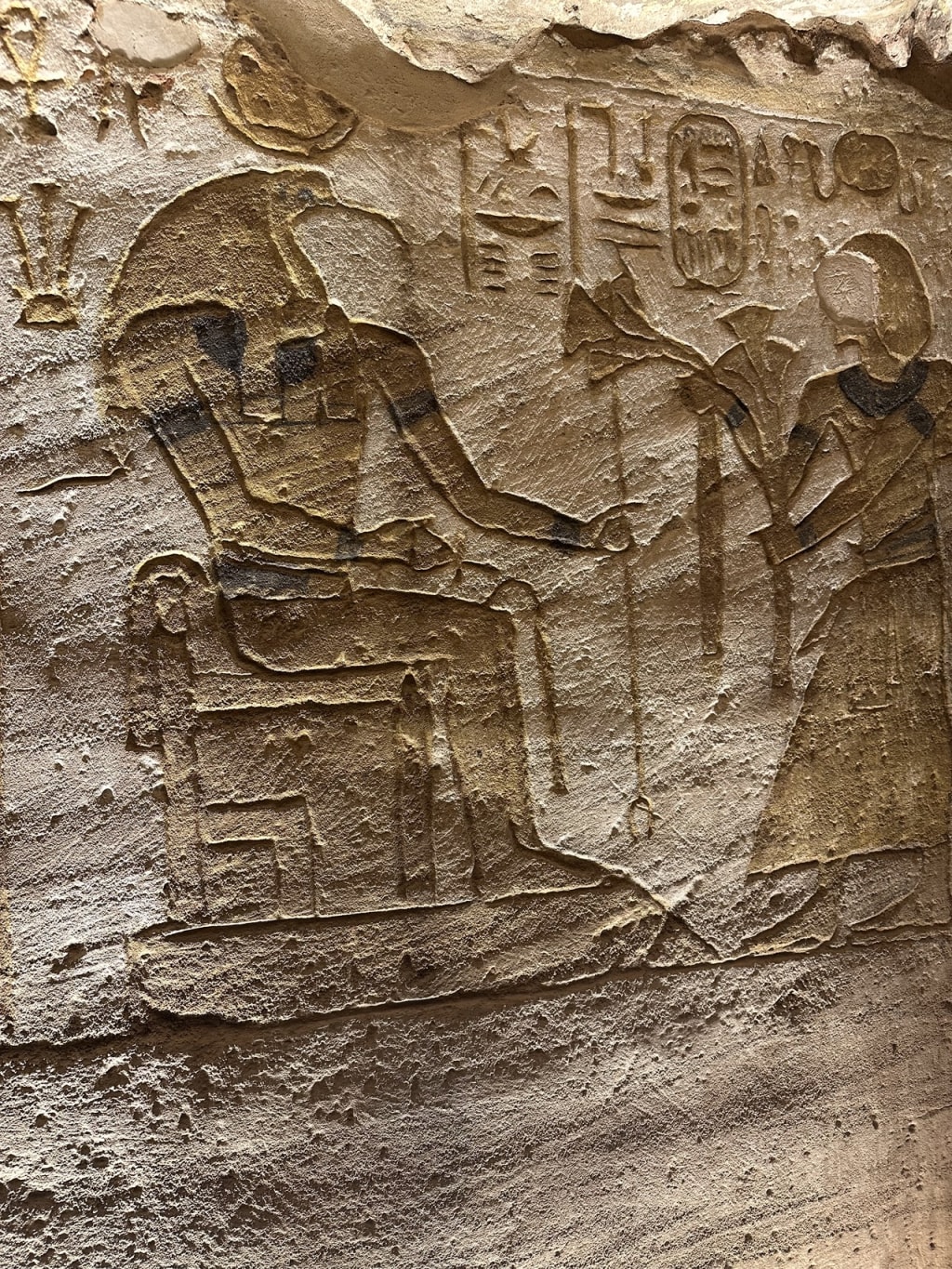
In ancient Egypt, blue lotus was embedded in both daily life and ceremonial practice.
It grew along the Nile, opening with sunlight and closing at dusk.
That rhythm made it a symbol of cyclical renewal.
It appears in:
- temple carvings
- ceremonial scenes
- personal rituals
Often shown held to the nose, suggesting it was actively inhaled or experienced—not simply decorative.
Its role was to mark transitions:
- day → night
- activity → stillness
- external focus → internal awareness
India: The Lotus as a Symbol of Consciousness

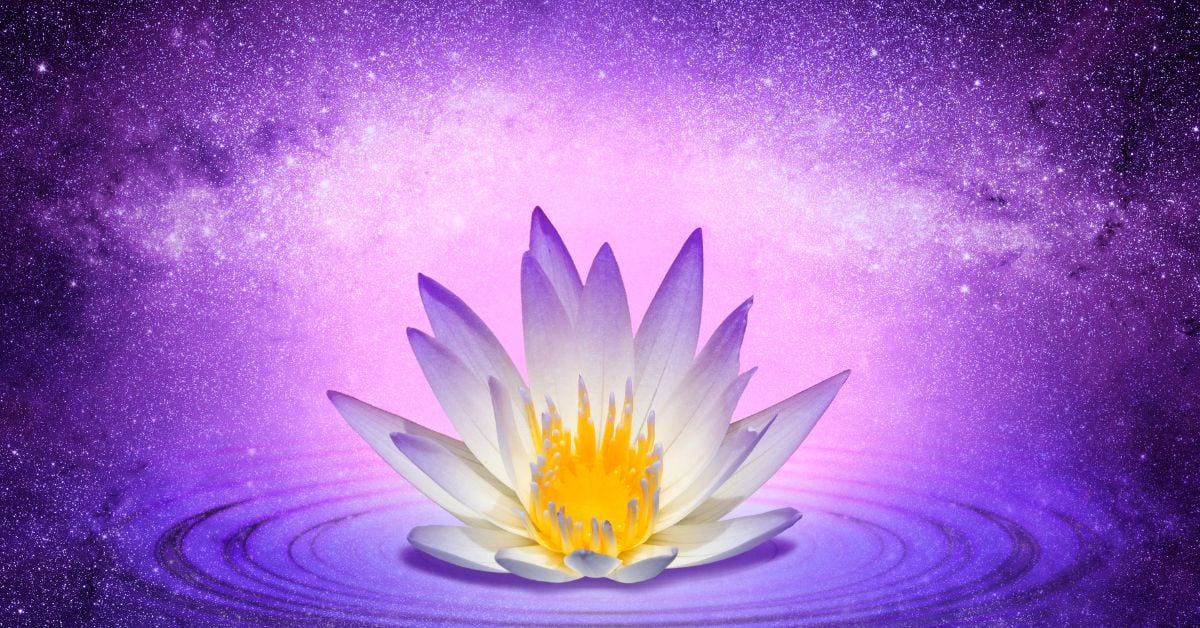

In India, the lotus carries deep symbolic meaning across spiritual traditions.
It represents:
- purity emerging from murky water
- detachment from external conditions
- clarity of mind
While not always the same species, the philosophical role remains aligned:
The lotus is not about transformation through force—
but about rising through balance.
Sri Lanka: Simplicity, Water, and Daily Ritual


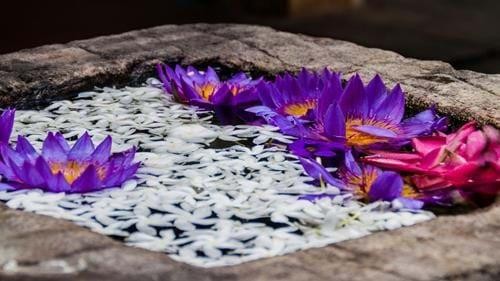
In Sri Lanka, the blue water lily (Nil Manel) is associated with:
- serenity
- natural harmony
- quiet beauty
Its use is less ceremonial and more integrated into everyday life—often connected to water, offerings, and stillness.
Here, the emphasis is not on transformation, but on alignment with environment.
What Connects These Traditions
Across Egypt, India, and Sri Lanka, the pattern is consistent:
Blue lotus is associated with:
- slowing down
- awareness
- balance over intensity
It is not used to stimulate.
It is used to shift state.
From Ritual to Modern Interpretation
Today, blue lotus appears in oils, skincare, and wellness products.
The format has changed.
The principle has not.
It still aligns with:
- calming the system
- reducing overstimulation
- supporting a slower, more intentional approach to care
The Deeper Role of Blue Lotus
Blue lotus was never just functional.
It existed at the intersection of:
- sensory experience
- environment
- internal state
That’s what made it significant.
And that’s what continues to make it relevant.
Not every botanical is meant to correct or transform.
Some are meant to reorient—
to bring the body and mind back into balance.
Blue lotus is one of them , the flower of intuition
https://aunaturelalchemy.com/products/moonlit-blue-lotus-collection